Back to portfolio
Project 01 / 05 · UAL MSc Thesis · 2026

New Natures

Growing natural textures with neural cellular automata, then combining trained models to grow entirely new patterns that inherit from both parents, tested as a question about how neural networks connect.

FieldNeural cellular automata, generative pattern
Built withPyTorch, Next.js, WebGL

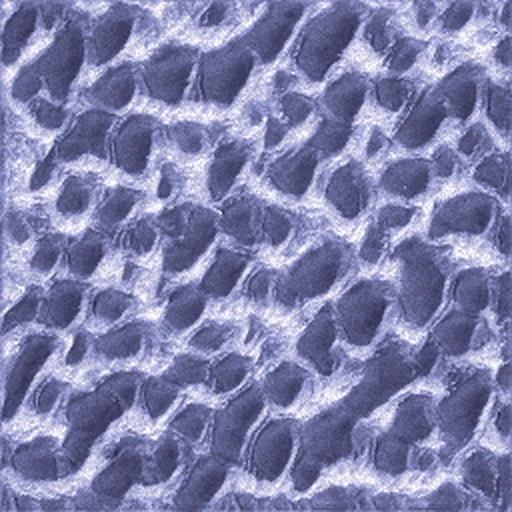
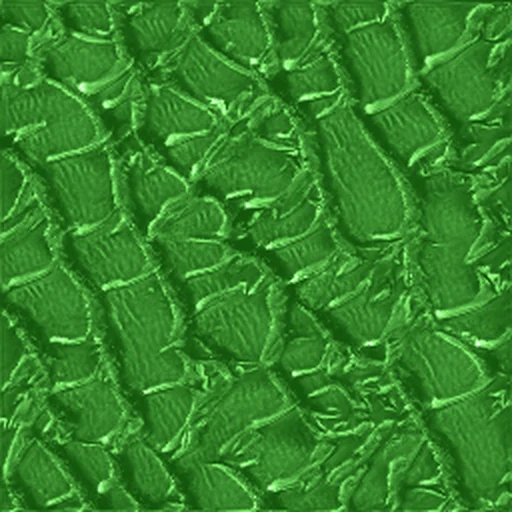
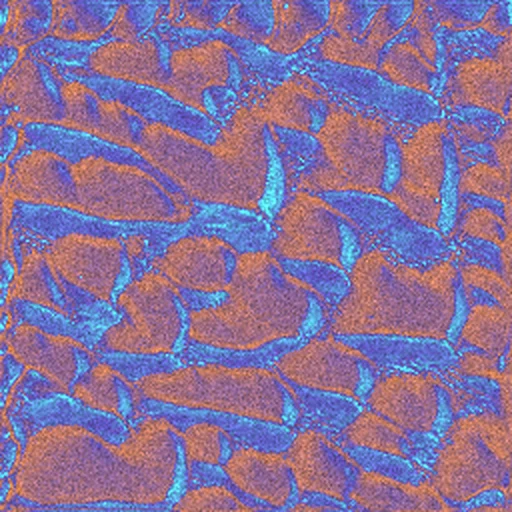
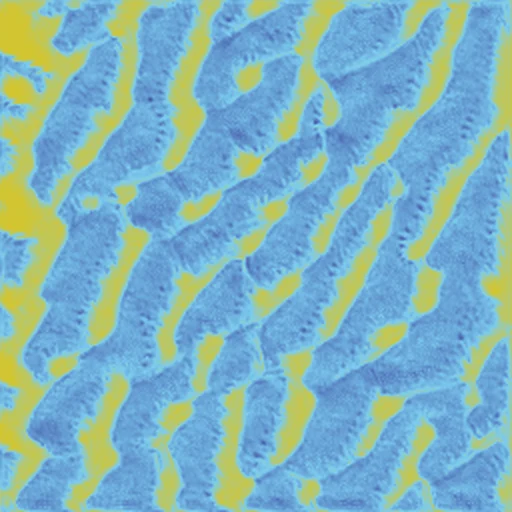
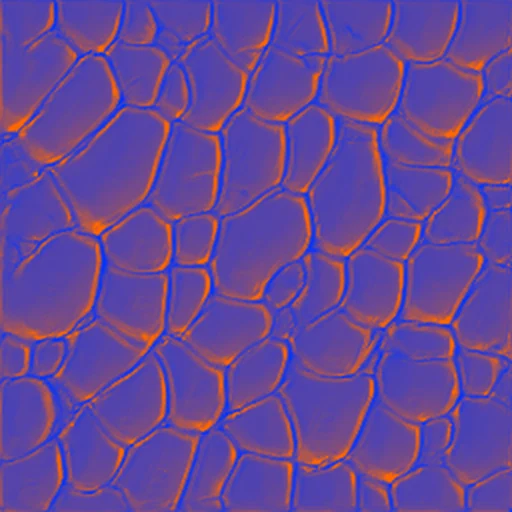
A realised work: dragonfly and condensation patterns combined
What it is

Teaching a single cell to grow a pattern, then crossing two together.

A neural cellular automaton learns to grow an image from a single seed. Each cell sees only its immediate neighbours and updates by a small neural network, run over and over, and out of that purely local rule a whole pattern emerges and holds itself stable.

I trained separate automata on natural textures, then combined them so a single model could grow more than one target at once. The result is a space of new patterns that carry features of both parents, which I framed not as visual art but as pattern-making in the tradition of Owen Jones, Ernst Haeckel and William Morris: motifs meant to be used.

Underneath the imagery sits a question from machine learning. The way the combinations behave turns out to be a direct test of whether a specific property of neural networks, linear mode connectivity, holds for this kind of model.
The Question

Can two separately grown patterns meet in the middle?

Linear mode connectivity, described by Frankle and colleagues in 2020, is the finding that two neural networks trained from a shared starting point can often be joined by a straight line in weight space along which the model keeps working, with no spike in loss between them. It is normally studied on classifiers. I wanted to know whether it holds for neural cellular automata, where the network is not labelling an image but growing one step by step.

If it holds, then blending the weights of two automata should not break them. It should grow a coherent pattern that sits between the two. If it fails, the blend collapses into noise. That single prediction is what the three methods below set out to test, and the patterns are the evidence: a combination either grows into something legible or it does not.

Five base patterns were learned first, each by its own automaton: leopard, coral, dragonfly, condensation and frost. Every combination in the work draws two of these together.


Three Methods

Three ways to combine two automata, three different answers.

Each method tests the connectivity idea from a different angle. Method 1 trains one model to hold both patterns at once. Method 2 starts from a shared model and fine-tunes towards each pattern, then blends. Method 3 blends two models that never shared a starting point at all. Linear mode connectivity predicts the first two should work and the last should fail.

Method 01
Works

Multi-target training

One automaton is trained to grow both patterns at once, with a signal input telling it which way to lean. Moving the signal sweeps continuously from one pattern to the other through a single model.

Of ten pairs, five swept cleanly from parent to parent, four held structure but blurred at one end, and one collapsed. This is the method the live exhibition runs, because a single model can render every blend in real time.

Method 02
Works

Fine-tuning interpolation

Two models are fine-tuned from the same shared checkpoint, one per pattern, then their weights are interpolated by a factor m. Because they began from a common point, the straight line between them stays low-loss.

Across twenty directed pairs, thirteen produced coherent blends. This is the most novel result of the thesis: it confirms that linear mode connectivity generalises to neural cellular automata, not just classifiers.

Method 03
Fails

Independent weight interpolation

Two automata trained fully independently, from different starting points, are interpolated the same way. With no shared origin there is no reason for the line between them to stay low-loss.

All ten pairs failed, collapsing to noise or flat colour with no inheritance from either parent. The failure is the point: it is exactly what linear mode connectivity predicts, and it confirms the shared starting point in Method 2 is what does the work.


What It Shows

The blends that hold together are the finding.

Read across the three methods, the results line up with the prediction rather than against it. The two methods that share a starting point, whether by training one model jointly or by fine-tuning from a common checkpoint, produce blends that keep both parents legible across the sweep. The method with no shared origin never does. For a class of model that grows its output rather than classifying it, connectivity behaves the way the theory says it should.

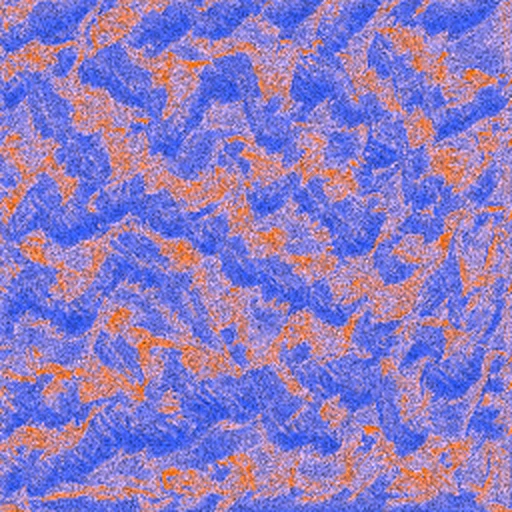
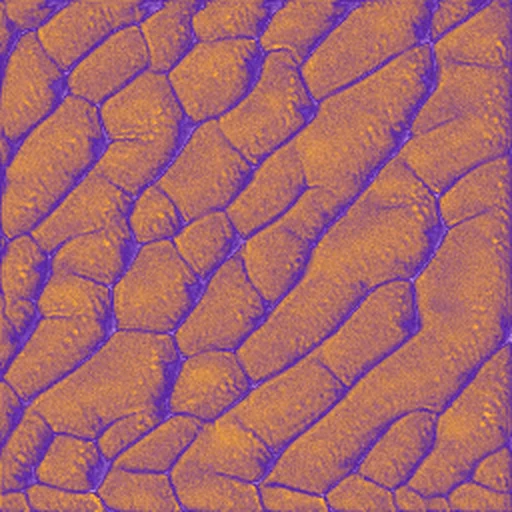
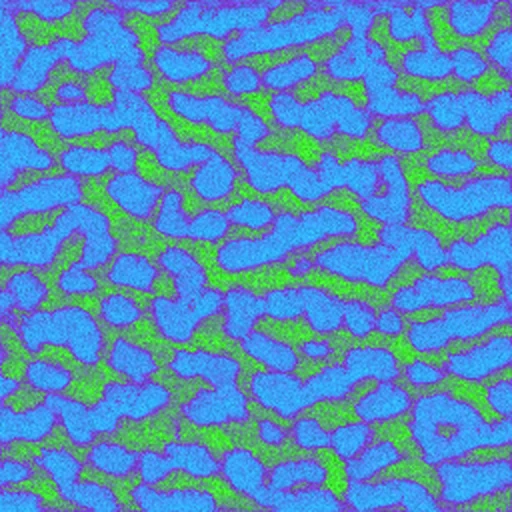
What makes this legible without a single chart is that the patterns are the measurement. A coherent result is one where both parents stay recognisable as the mixing coordinate moves and the sweep never collapses to grey, black, white or noise. A failure is unmistakable on sight. The gallery below is the set of works that came through as coherent, which is the thesis' central artefact and the reason the imagery and the machine-learning claim are the same object.


The Works

Realised patterns, each one a combination that held.


Live Exhibition

Combine two patterns yourself, rendered live in the browser.

The exhibition runs the Method 1 models directly in the browser: pick two of the five patterns, move the slider, and a model trained to hold both grows the blend in real time. It is embedded below, running from its own deployment.

Best viewed full screen at new-natures.vercel.app. The gallery of realised works, including the Method 2 fine-tuning blends, lives there too.